


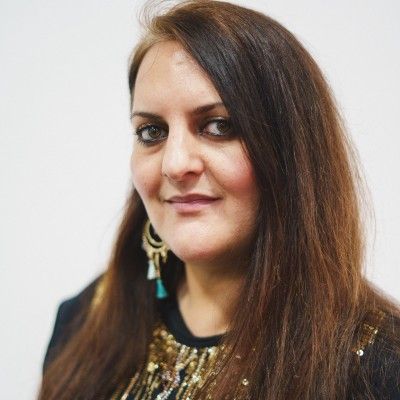
Soraya Gadelrab, Managing Director - ISPO, Raccoon Media Group
For many women of my generation, leadership came with an unspoken expectation: to be taken seriously, we had to adopt characteristics traditionally seen as masculine. Be tougher. Speak louder. Show less emotion. Be constantly available. Fit the established mould.
For a while, I thought that was what leadership required. But with time, I realised the distinction between what I considered old school management and leadership. So I made a deliberate decision: I would lead in a way that felt true to me.
That does not mean avoiding difficult decisions, softening expectations or losing sight of commercial delivery. Quite the opposite. It means recognising that authenticity, empathy and emotional intelligence are not alternatives to strong leadership. They are essential to it.
I believe we are seeing a real shift in how leadership is understood. We used to talk about management style and managing; now we talk about leadership style and leading. The old idea of management could sometimes feel focused on control, process and presenteeism: ensuring people are in the right place, at the right time, doing things in the expected way. Leadership is different. It is about creating clarity, trust and the conditions in which people can do their best work.
To do that well, you have to be comfortable with who you are. You need to understand your own strengths, acknowledge your blind spots and avoid performing a version of leadership that does not come naturally to you. People quickly sense when someone is trying to play a role or force a style that isn’t natural to them. Equally, they recognise a leader who is consistent, self-aware and genuinely interested in those around them.
For me personally, empathy and emotional intelligence are central to that approach. Empathy is not simply being kind or agreeing with everyone. It is taking the time to understand another person’s perspective, pressures and circumstances before reaching a conclusion. Emotional intelligence is having the awareness to read a situation, listen properly, communicate with care and respond appropriately – particularly when conversations are challenging.
These qualities allow us to lead people, rather than simply manage tasks.
The pandemic accelerated this change in many organisations. It challenged old assumptions about where, when and how people need to work. It also made us more aware of the different realities people are managing outside work: parenting, caring responsibilities, health concerns and personal circumstances that cannot be neatly separated from the working day.
I do not believe there is a one-size-fits-all management style that can meet those needs. Fairness is not always about treating everybody identically; it is about recognising individuality while remaining clear about shared responsibilities and outcomes.
Flexibility, therefore, has to be paired with accountability. We all need to deliver what we have committed to, support our colleagues and contribute to the wider team. But delivery should not be confused with being visibly present at a desk for a prescribed number of hours. The focus should be on outcomes, collaboration and trust – not on who is seen to be working the longest.
When leaders adapt their approach to people’s circumstances, they signal that individuals are valued as whole human beings. In turn, people are more likely to feel included, respected and motivated to contribute. They know that their challenges are understood, while also being clear about what the organisation needs from them.
I personally believe that leading in an authentic way, being true to your own personality traits, makes us more human and, as a result, more effective. For me this is being decisive while listening; ambitious while compassionate; and accountable while flexible.
The leadership conversation is increasingly moving beyond whether we can fit a traditional template. Instead, it is about how we can bring our own strengths to the role – and create space for others to do the same.
That is the leadership style I want to continue developing: one grounded in trust, emotional intelligence and the confidence to lead as myself.