


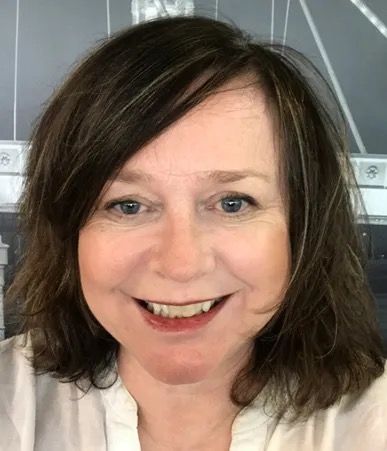
Laura Tythcott, Venue Services Director at NEC Group
After more than 25 years working on the supplier side to the events industry, one of the most important lessons I have learned is that leadership does not need to look or sound the same for everyone.
My professional world has traditionally been a very male-dominated environment. When I began my career, there were fewer women in operational and leadership roles, and I often found myself working in situations where I was the only woman. The industry has evolved positively since then and it is encouraging to see more women progressing and bringing their perspective to the table. But my own journey has taught me that succeeding is not about trying to fit a particular mould. It is about becoming confident in your own approach.
Earlier in my career, I felt pressure to adapt to the leadership styles around me. In a fast-paced environment, where decisions need to be made quickly and opinions can be strongly expressed, it can seem as though there is only one way to be taken seriously: be forceful, have all the answers and take up the most space in the room.
Over time, I have realised that this is not the case. I can be clear, decisive and ambitious while still being approachable, collaborative and empathetic. I can set high standards, challenge people when necessary and make difficult decisions without losing the qualities that make me who I am.
Learning to embrace my own tone of voice has been a big part of that development. There is a difference between adapting how you communicate to suit the situation and trying to become somebody else. I have learned to be direct when I need to be, but to do so in a way that feels natural and authentic to me.
I believe that people respond to authenticity. They know when someone is playing a role, but they also recognise when a leader is open, fair and genuine. Being yourself does not mean avoiding difficult conversations or lowering expectations. In many ways, it makes those conversations more effective, because people understand where they stand and know that you are leading with integrity.
Being heard and respected has also been an important part of my experience. In any demanding industry, credibility is earned over time. You need to know your subject, be well prepared, make your point clearly and, importantly, follow through on what you say you will do.
I have learned that being heard is not about being the loudest person in the room. It is about making a considered contribution and having the confidence to stand behind it. Respect comes from consistency, honesty and delivery.
That confidence has not always come easily. I have had to become thick-skinned and resilient. There have been moments when I have felt underestimated, when I have had to work harder to make my point land, or when challenging interactions have tested my self-belief.
For me, resilience is not about becoming hard or detached. It is about taking a setback, learning from it and moving forward. It is about not taking every difficult conversation personally, while trusting your instincts and recognising when something needs to change.
Self-doubt does not disappear entirely. There are still occasions when I question whether I have enough experience, whether I have made the right decision or whether I am doing enough. But I have learned not to allow those thoughts to hold me back. You do not need to have every answer to be an effective leader. You need to trust your experience, listen carefully, ask good questions and remain willing to learn.
I have also been fortunate to work with supportive managers, both men and women, who have encouraged me to be myself. That support has made a real difference. The best leaders do not expect everyone to lead in the same way. They help people recognise their strengths, find their voice and build the confidence to use it.
After more than two decades, that is the lesson I would share: develop resilience, believe in the value you bring and lead in a way that is true to you.